
Ten Days After Grandma’s Funeral
By Roberta Beary
Mom tells me to go to the A&P for filet of flounder. The Man From U.N.C.L.E. is about to start. She can hear the theme music. And she knows I’m crazy about Illya Kuryakin. Go, she says again.
On my walk, I pass the pretty blonde girl from school who never talks to me. Her yellow boots splash inside a big, muddy puddle. I want to be her. But instead I’m big-boned with real bosoms on account of my being what Doctor McDougall calls an early developer.
By the fish counter, some old guy rubs his back against my front, accidentally on purpose. His cart has frozen pizza, the kind with pepperoni and sausage that Mom says is for skinny people. At our house we only eat boring stuff. Friday is always filet of flounder. No dessert. Because money doesn’t grow on trees.
The old guy has candy bars in his cart too. He says to point out my favorite. That’s easy, Almond Joy. The man behind the counter hands me Mom’s fish in thick wax paper. Say hello to your beautiful Mother. Bloody streaks run down his apron. The old guy winks at me, Like mother, like daughter.
Outside, old guy offers me two Almond Joys. I don’t say thank you. He asks if I’d like a ride home. My head shakes a big no. He drives away in his T-Bird, honking a secret code I know is a lie. Mom’s the only beautiful one. No matter what Grandma says about ugly ducklings growing into swans. She’s dead now, anyway.
I walk slow on account of chewing my Almond Joy. When I get to the big puddle the pretty girl is gone. I dip the toe of my sneaker into the puddle and bury the candy wrapper in the mud. Now it’s dead too. I think about saying a prayer for Grandma’s soul. But instead I unwrap the second candy bar.
Summer Evening
By Cath Barton
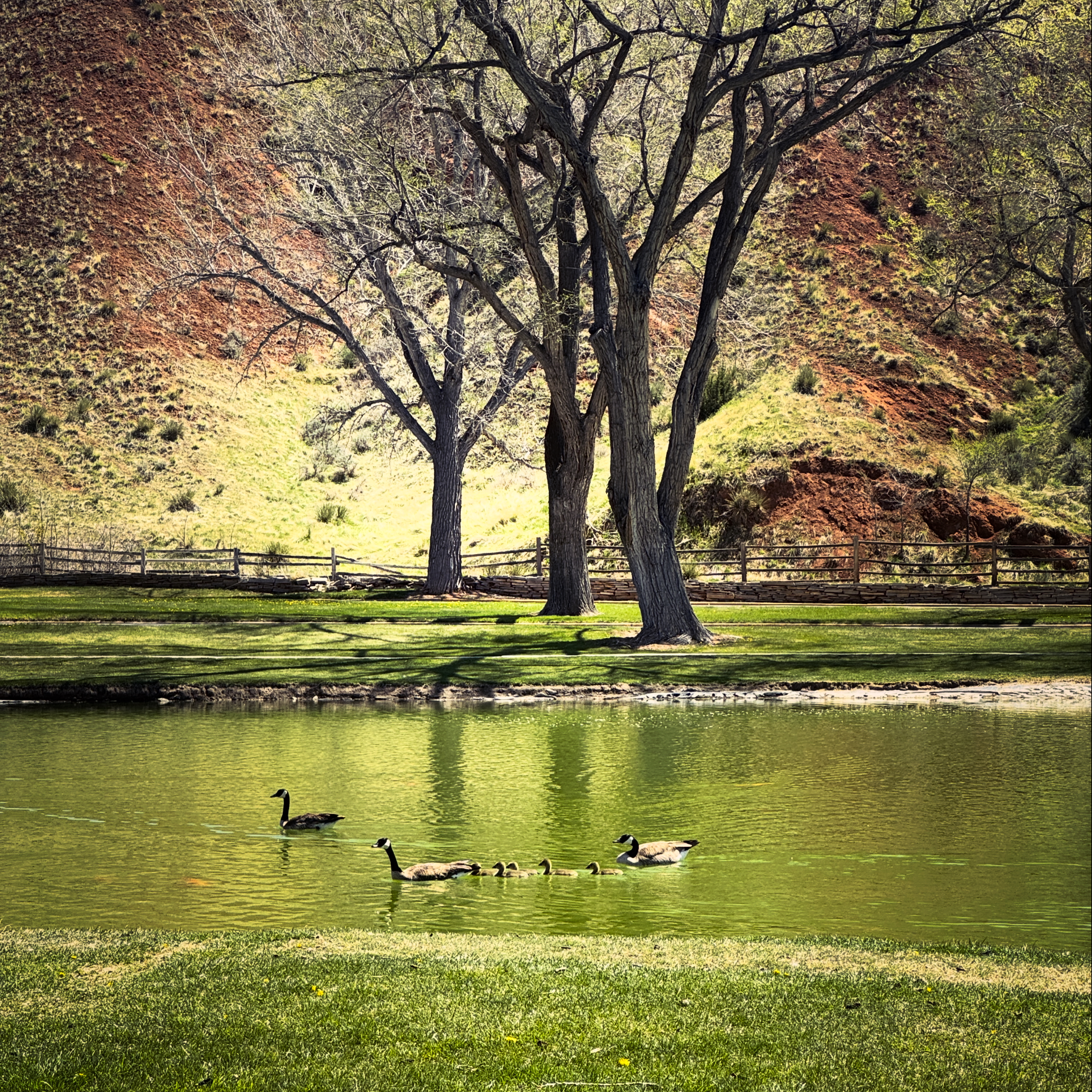
It had been so hot, was still so damned hot I’d kept my hair tied back, hadn’t changed out of what I’d been wearing at the beach that afternoon, hadn’t put on the frock I’d chosen for the evening, the one that made me look, well, the way I thought he liked me to look. Fact was, he’d clearly made no effort to dress up either, which kind of pissed me off, kind of pleased me, but then the annoyance got the upper hand because he wasn’t giving me the space to talk, to say what I wanted from the summer, was just lecturing me about what he called the ‘shape of our future lives,’ though actually it was all about himself, all about getting away from his mother and that clapboard house with its tattered curtains and its fusty smell, even out on the porch, all about heading to California and brighter lights, brighter times.
There were frogs calling from the stagnant pond across the yard as he talked, matching him as if they had an opinion about it all. And what I thought but didn’t say, because he gave me no opportunity to do so and I couldn’t insist like the frogs did, what I thought as I kept my eyes down and my hands flat on the top of the balustrade behind me, arm muscles clenched, toes scrunched inside my scuffed blue pumps, what I thought was that there would be someone better for me out there and that I’d keep the new frock for that man. Though I also knew that when it came to it, that man would appreciate me for who I was, not what I wore.
White Knights
By Jim Flannigan
Matt’s sitting on the corner of the chair. He’d rushed over from down the street the second I got to my parents’ house. His legs are bunched in a way that suggests he could spring at any moment. I can feel the coiled energy pulsing off him.
I’ve still got bruises. Left cheek, just below the eye. My right arm, my left breast, not that I’m showing that one off. My bottom lip’s a little swollen. I’m feeling strung out.
“Tell me where he is,” Matt says to me. He’s got a wild look in his eyes.
Matt always liked sticking up for people, ever since we were kids. He liked stopping the bullies. It used to make my mouth dry and my skin flush.
We were always on the edge of being more than friends. There were stolen glances and lingering touches, but it just never happened. I don’t know why.
Underneath everything, I feel bloated and irritated. It just makes sense that I’m getting my period, that’s how things work.
Still, it means I’m not pregnant. That much is a blessing.
Peter would get so angry when I got my period. He wanted a kid, a baby boy. It would always set him off. Or that’s what he’d tell me later, while I was cleaning myself up and trying not to cry.
“Gwen?” Matt presses, but I shake my head.
I thought coming home was the thing to do. That’s where you went, right? When there was nowhere else?
But maybe home isn’t something I get to have. That’s what I’m starting to think as I remember the look on my mother’s face when she saw me on the porch, disappointed, almost resentful. Or how my dad kind of grunted and shuffled off to his study. To give me space, he insisted. I think he didn’t want to look at me.
Matt never left. He’s still living two houses down. In the small, blue place with the yellow shutters. I think he’s supposed to be taking care of his mom. She was always a little off. That’s what we used to say when Matt wasn’t around.
And he showed up almost immediately. Like someone had turned on the Matt signal or something. He was at the door, staring at me with soft eyes. Touching my arm. Asking how I was. It was nice for a minute. Enough to make my stomach tighten just a bit again. Just a tiny reminder of the old days.
Now Matt works at a furniture shop in town. Fancy stuff, special pieces for those who can pay. Turns out he’s really good with wood. He can shape it, make it into something beautiful. For Christmas one year, he gave my parents a chair he’d built himself. The same chair he’s perched on right now.
I think about how he went to court when he was sixteen. When he beat that kid nearly to death. I never got the whole story. He had to go to counseling. His record got sealed. There were extenuating circumstances, I heard. And he had his whole life ahead of him. I wonder if he’d be making furniture now if that hadn’t been done for him. I wonder how things would’ve turned out. Would he still have been around to show up at the door?
I know what he wants. More than anything. Matt the white knight. Bruised fists in place of a gleaming sword. Teenage me probably would’ve found it all so romantic.
Now it just feels childish.
Peter would be in town soon, if he isn’t already. I know that much. I’m sure he figured me out pretty quickly. I think that’s why he picked me in the first place, despite all his talk about my eyes and my smile. He liked always knowing my next move.
He’ll be at a bar; I know that too. The town has plenty to pick from. Bars and churches, far as the eye can see. No bookstores or theaters. Lots of liquor stores and check cashing places. And the state’s oldest McDonald’s, for what that’s worth.
Peter will be getting himself ready. Talking himself into coming to the house and making a scene. Some confrontation. My mother will be furious when he shows up. Not at him, never at him. Furious at me, for bringing such chaos into her ordered world. She’s always detested chaos.
And Matt will add to it, I know that. He’s talking himself into something, too. He’s got a whole movie playing out in his head. I can almost see the flickering lights in his eyes. I can almost hear the clattering projector. Sir Matthew the Righteous. Right now, I’d rather be watching a stupid comedy.
Matt gets up and starts pacing. Peter does that when he gets worked up too. It’s getting hard for me to breathe. My hands are starting to shake. I don’t know how to tell him to stop.
He could’ve just come over and told me everything was going to be okay. He could’ve held me a bit. Listened for a bit. Just listened, without building up this whole scenario in his head. He could’ve done a lot of things.
Instead, a car pulls up outside, harsh guitar wailing at maximum volume. It’s Peter getting himself psyched that last little bit.
And Matt is giving me this look. Like he’s solid. Like he’s gonna take care of it.
And I just want to scream.
“Gwen?” my mother calls from the top of the stairs. I can already hear annoyance.
I turn toward the voice, just for a second. Long enough for Matt to be across the room and out the door.
And now I’m alone.

What Can I Help With?
By Lucas Hubbard
Write a letter to a dying dad.
Write a letter to a dying dad that sounds good read aloud. Use flowery language, while still sounding like me. Simple words, so he doesn’t call me a queer, or a snob.
This is just to get a start, by the way. Include the broad strokes, the big milestones. Seeing him at my graduation, at the wedding (kinda). That sort of thing. I’ll edit it later.
Probably? Probably.
Be sure to mention Christmas.
A lot of Christmas.
Mention the snow pants.
Mention, in order: snow pants, tree house, the waffle maker, Christmas in Vermont, Christmas in Vegas, Christmas in Rio. That phone call. Diner coffee. Christmas in Florida.
Thank him, especially, for picking up that call.
Include a section that isn’t about me. Something that’s about him with the rest of the family.
Not with that rest of the family.
Actually, cut that entirely. Don’t mention Linda or Lisa or the others.
Add a section about how he deserves forgiveness.
Can you make it less cliche?
Never mind.
Start with some words about how it must have been hard growing up in the Depression or after the war or during Vietnam or during Iraq, or whenever.
Must have been kinda hard. Not that hard. Jesus.
Write a letter to a dying dad, who did … fine. Who never said “love you” or “proud of you” or “are you okay.” Who still did a lot of other stuff pretty consistently, and when he stopped doing that stuff because he was gone, with Linda, in Florida, things were different. Who made a difference, if only because things were different without him. I can’t deny that.
Write a letter to that kind of dad.
No, no, no. Don’t say that now I can see his pain, his anger. His barely contained fury over his deferred, then failing, and finally extinguished artistic career. I hate that. How convenient that timing is, where recognition always arrives moments before expiration.
I’m not proud of using you, you know. But what—how—do you write to a mediocre dad? One average effort deserves another, I’d say.
After all, he taught me about skating by. Taught me how to shake a few bonus gumballs from the dispenser. How to snake an arm up a vending machine to clear out the bottom row of snacks. How to jump theater to theater evading ushers, wasting a whole Saturday at the movies. How even nerds in school are hungry for friendship, and I just needed to sprinkle some crumbs to see their tests, which was just as good as having the answer keys.
He taught me about greasing palms, scratching backs, catching the right eyes and avoiding the wrong ones. How to keep a toe, if nothing more, on the right side of the line.
He taught me how the world works.
Maybe: write about the February when, as he was dropping me off at school, he got a little twinkle in his eye, and told me to get back in the truck, and two hours later we were at the ski resort trying on boots. When I, a weak and imbalanced boy, couldn’t navigate the T-bar and he did not yell and scold and hit me, but instead complained on my behalf and got us a full refund. And then drove us another two hours to the fancier resort, where he did not balk at the prices one bit, where we rode the lift and I fell down on the mountain approximately eighteen times, bawling from all the icy slush inside my jacket and gloves.
Write about how, when he dusted me off at the bottom, he didn’t say I was wasting his hard-earned cash but instead just took me into the loft and bought me a big hot chocolate, hot chocolate like I never had before, real melted chocolate and fatty milk in a steaming mug.
Write how, when we got home, my mom asked me what I learned in school, and again my dad’s eye twinkled. I, emboldened, said something like, “Weather. Gravity. Pizza. French fries.” And my mom glared at my dad, who just shrugged and said, “Not bad for a Wednesday.”
And how that night, no one fought, or screamed, or slammed doors, and I passed out for eleven hours, then went to school the next day with no one the wiser.
Write that. But write it confidently, like I actually remember.
Tell me it happened that way.
Salt
By Jennifer Fox
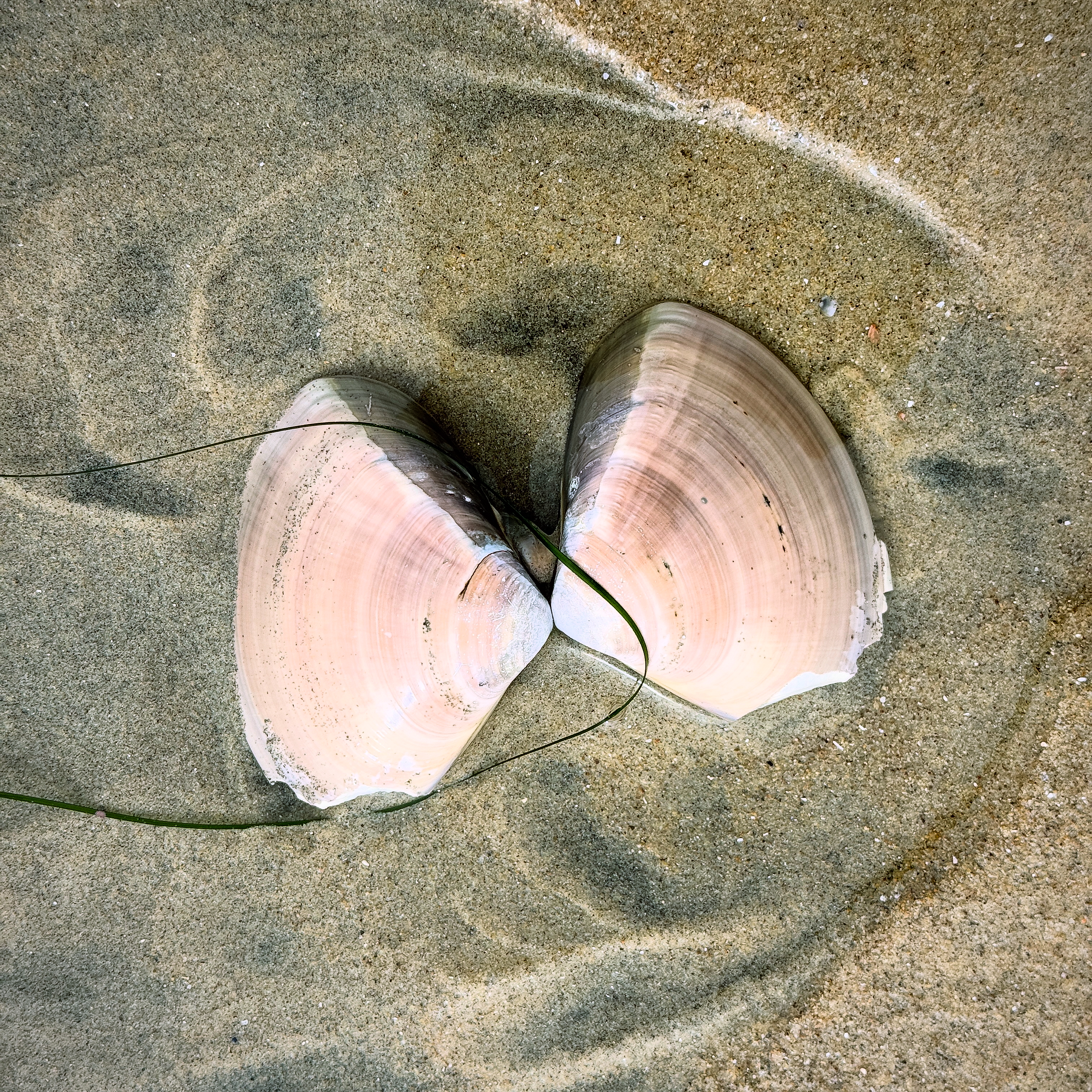
In the picture, my sister is smiling, her long dark curls caught in a sea breeze that hot August day. I can feel the sting of hot sand beneath our feet as we ran towards the breaking waves for relief, the cries of gulls overhead. The air was thick and held onto the smell of barbequed chicken long after we’d licked our fingers clean.
Salt was everywhere. On the wind that frizzed our hair, in the waves that washed the blood from my brother’s foot after stepping on a broken seashell, on the rim of Aunt Patty’s fourth margarita, and in her words when she asked my sister and her husband why after five years of marriage, they still had no baby.
The picture didn’t show the tears hidden behind her sunglasses. Didn’t show the nearly two-year struggle they’d had with infertility that they’d kept secret from everyone but me. Or the life that was growing inside her at that very moment that they’d find on a scan later that week.
Not a baby, but a mass, encapsulating her ovaries and infiltrating her womb, her liver, and eventually her brain.
That was our last family reunion at the beach house. My parents sold it the following spring, but I returned again in the summer. The sand was hot as ever, but I dug my toes in with each step as I thought of her smile and long dark curls dancing in the thick August breeze, the taste of salt heavy on my tongue.
Mozart once said, ‘women are like that’
By Salena Casha
After Aunt Madeleine died, Adrian’s mother suddenly got into tea. Irish breakfast tea, specifically, the kind that came in big red cardboard boxes and that claimed to be compostable even though the city her mother lived in did not compost. Still, her mother would say, after removing the teabag for a requisite six minutes—Adrian wasn’t sure how she’d decided upon six minutes because she’d understood from her semester abroad it was four—at least when it went into a landfill it would disintegrate in said landfill. It was a strange declaration to make each morning as the kettle chugged on the stove, and the only thing Adrian could think of that had caused this new eco-obsession was that her mother’s big sister had died.
Adrian couldn’t remember if Aunt Madeleine had drunk tea. Though she must have, because that was the only logical explanation for her mother’s now illogical behavior. What was even more hilarious was that when Adrian did indeed have breakfast with her mother, she noticed her making a face as she sipped the tea. It was not a good face. It was a face that said, I don’t know why people drink this shit.
The tea thing made one thing in Adrian’s life easier: shopping for gifts. With her mother’s sixty-fifth birthday coming up, Adrian knew she needed to get her something more than just a sampling of different tea leaves that would inevitably be regifted to her hairdresser. She’d seen the kettle sweaters online, and while she was an amateur crocheter herself—a side effect of too many hours watching reality tv during the pandemic—she did not trust herself to make one in time.
So, as one does, she went to Etsy and surfed through a few vendors who created custom tea cosies. There were a few folks who bought and used the same patterns: hedgehogs, chickens, flowers. Even actual sweaters; she did like the little wooden toggles on those, but they didn’t scream my mother. Or even Aunt Madeleine though she wasn’t sure what she wanted it to scream other than your tea is ready. She continued scrolling until a midnight scene, something out of maybe the Tempest? gave her pause.
If she remembered correctly, that was the Shakespeare play about the king with three daughters where two of them sucked and one of them was pure. She was sure that, of her mother’s sisters, Madeleine had been the pure one (have you met my mother?) and maybe getting a tea cosy with a scene from the Tempest would be a bridge too far.
Still, she clicked into the creator’s profile, Brandon from the Midwest. It looked like most of his offerings were bespoke opera scenes. She wondered if it was an interest he had or something that had been foisted upon him by the Etsy masses. Those masses indeed had a tendency of doing that.
Adrian could not name a single opera. Or well, she sat there biting her lip, yes there was the one her grandfather took her to when she was a kid. Madame Butterfly? But she could not tell you what it had been about. What she did know was most people in operas died. There was hellfire. Lots of high-pitched women lamenting and deep tenured men lamenting. A style of singing that always shocked you when you heard it, especially on subways. As she scrolled through his shop, she noticed he cross-stitched the same scenes on pillows and printed them on graphic tees as well. She’d give him that: he’d found his niche.
Maybe, opera was the end of a slippery slope. A woman began to like tea and then got an operatic tea cosy and started going to live performances and then managed to get a small villa for a euro in a tiny Italian town. Something, she was sure now that Madeleine was gone, that her mother could do. Adrian always liked Italy and if she moved there, Adrian would visit more.
The thought of sending her mother down this tea hill to operatic inferno scared her a bit. Which could be good for both of them. She opened the message option because there was nothing wrong with a message. Tapped a few lines and sent her words off to Midwest Brandon of the operatic cosies.
It took him a few days to respond but still, his words arrived.
Adrian, thanks for reaching out. I’m so glad my work piqued your interest. This might not surprise you but the “opera-only scenes” started out as a joke. It’s a story that began with training in opera at university here in Ohio and ended with vocal cord nodules and a degree that didn’t really get me into corporate marketing. What I can do for you is a scene in navy and scarlet from Mozart’s Cosi Fan Tutte. It’s about two sisters tricking people into loving them and it ends happily, in an Italian way.
She was not, in fact, Italian so wasn’t sure what he meant. Also, who trained in opera in Ohio? She translated the opera’s title and wondered if it was meant to be insulting or sexist or both. Still the man had lost his voice, a tragedy, and made cosies and had put a lot of thought into his message so, she thanked Brandon for the recommendation and ordered whatever he recommended from Cosi Fan Tutte. If anything, it’d be a good conversation piece. Weeks later, she watched her mother unwrap it and promptly burst into tears.
The tears, she found out, were not for Madeleine but instead, a small dog knitted into the space beside the handle who looked like Maurice, their first poodle. So, they sat and let their tears fall into the worsted weight yarn because really, there was nothing worse than losing a dog and how had we never spoken about it before. How much he meant to us. How much we loved him.
Sundew
By Jenna Lasby
I am feeding a jar of flies to the love of my life while the woman behind me eats Froot Loops.
The woman laughs and says, “You looks just like her, Juno,” motioning to the long, wavy hair I have dyed green with red tips.
Her name—the love of my life, not the woman—is Mildred, and she is a Drosera, a king sundew plant. One of the flies I have released perches on one of Mildred’s long green ringlets and gets stuck there. Her ringlet, voodoo-dolled with little red needle shapes, curls around it. I watch her tighten and tighten, what seems like a gentle hug becoming a chokehold.
I wanted to feel something last night. I tried. I ended up sitting on my bathroom floor while the woman slept in my bed, nursing a feeling like a sober hangover, vaguely nauseous over a touch with no feeling in it.
I aspire for someone to love me the way that Darwin loved Drosera. The patience with which he tried to understand them, the infinite time he must have spent with them, the trials he went through to understand their digestive processes. His simple joy and memorization of the little things, the way they moved and the way the leaves detected their prey. How voraciously he lost himself in drawing them and studying them. The letters he sent his colleagues about them sounded like the long, gushing messages one would send their friends about whoever they’re seeing.
I need the patience of years, a stacking of memories, to feel even a hint of something. I never understood a meet-cute. Any spark I’ve felt for strangers was manufactured by the context of low lights and the peer pressure of bodies pressed together, fading quickly.
A spoon clinks against a bowl as the fly struggles. “How can you watch it happen?”
I look back at the woman. The cereal milk has become a radioactively-colored sludge. She is surrounded by terrariums of peat moss and perlite, the reason for the chronically dirty ledges beneath my fingernails. By Maxine the pitcher plant, Medusa the cobra lily, Misha the Venus flytrap, and Momo the byblis. People ascribe a viciousness to them when all they are trying to do is survive.
I suppose this won’t work out.
“It’s nature,” I say.
Blackberries
By Deborah Adelman
It wasn’t the first time Anna had carried on with another woman’s man, and it probably wouldn’t be the last, but right now, it felt the most egregious. It was May, and the northern winter had finally relinquished its grip. Her lover’s wife, conveniently, had taken their daughters with her on a monthlong work trip to Bulgaria, had cleared most of the family out of the familial apartment, leaving it empty and available for full nights of love, since the husband wouldn’t be joining his wife and girls until the next month.
It would be their first night together. Till then, during those long winter months, they had only expressed their hunger for each other in brief moments together in her small dorm bed, or sometimes on the floor or against the wall of her narrow room. Always, afterwards, he had to get dressed, leave, get back to his lair. Always, afterwards, Anna reminded herself that they were all adults and that people were responsible for the messes they made out of their devotion to lifelong commitment, or their avoidance of it.
Today as they took the train to his apartment together, Anna had pressed against her lover in the packed Metro car and felt his body against hers, an electrical current passing along her spine, settling below her belly. Their cheeks touched. The ride went on for a delicious forever but now they had arrived, he had taken out his keys, opened the door and they stepped inside, penetrating the sacred family space where, on more than one occasion, she had eaten a delicious dinner prepared by the wife, who was now working, but also relaxing, somewhere along the Black Sea coast.
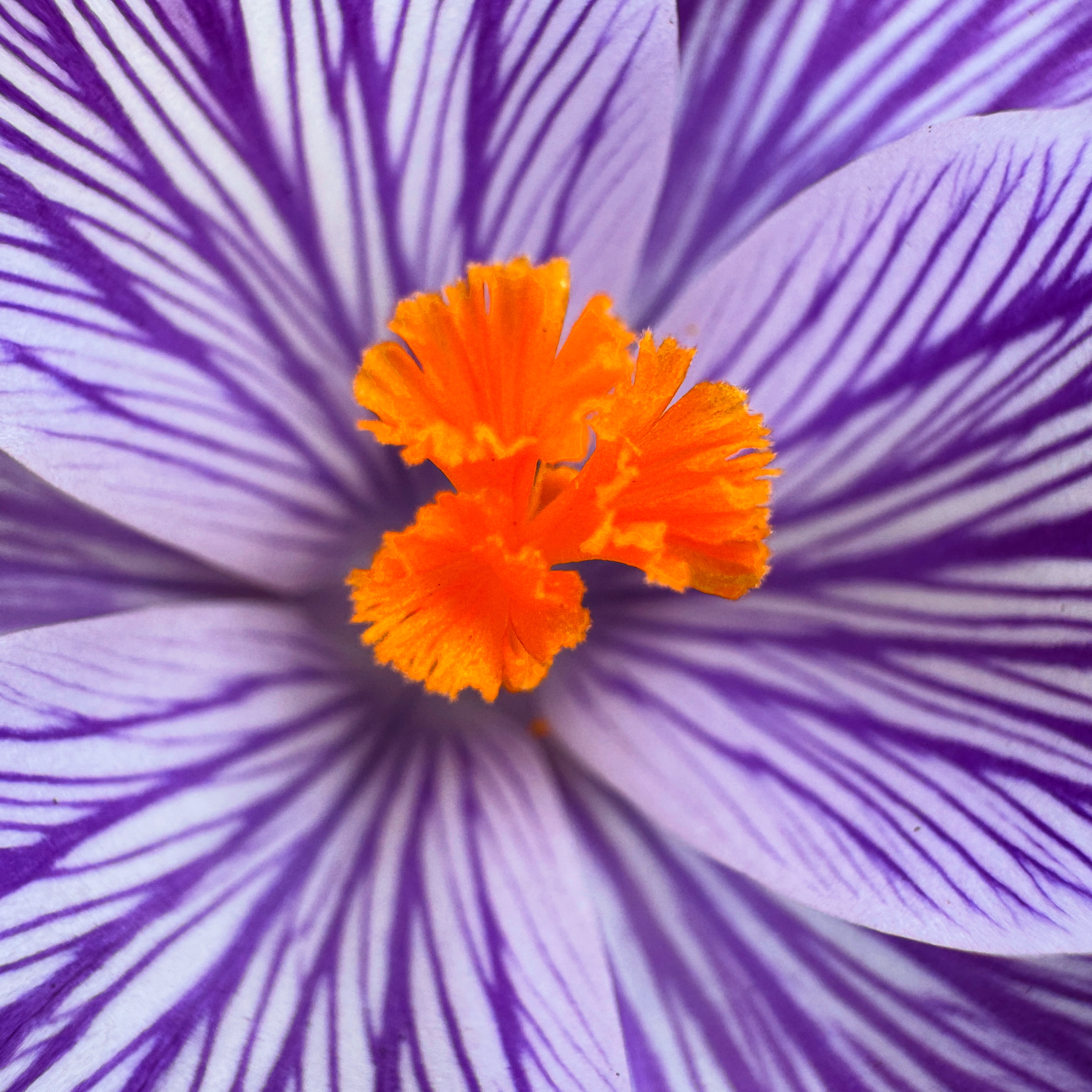
Anna walked through the apartment, noting every detail she had somehow not taken in before: the family photos on the wall, the large, ticking clock, the striped wallpaper in the foyer, the open windows in the kitchen, the rays of sun that fell along the counter, revealing the jars of carefully preserved blackberries—the cherished vareniye—and the pickled mushrooms, beets and cucumbers lined up on a shelf above the sink.
Anna’s lover had waited quietly as she wandered the apartment, but now that she lingered in the kitchen, her exploration apparently ended, he came up behind her and put both hands around her waist. He nuzzled his face against the back of her head and she felt the warmth of his breath through her hair. Anna, staring at the neatly organized shelf in front of her, didn’t respond. She realized how much forethought had gone into getting the fruits and berries of last summer into the jars that stood there, how much work it had taken, how much care and even self-restraint. How tempting to gather berries in the woods and shove the juicy sweetness into one’s mouth immediately, greedily, not imagining that come winter, they would taste even better and would be even more welcome.
Anna was greedy, and her lover was greedy, and they stood together in the kitchen, neither one of them yet willing to break that moment. They both knew what their actions might possibly transform forever, or even destroy. Throughout the bitter winter they had kept their deepening affection in check. Now, in the summer warmth, if they were not careful, it might burst into a wild tangle, like a thicket of blackberries in a sunlit clearing in the middle of the forest.
Caged
By Alysa Wakin
They say the parrot is crazy. And mean. If you open her cage, she’ll bite you. I don’t want to get bitten, but I can’t resist. As I open the door and reach in, she jabs her beak into my hand. It bleeds but not too badly. It hurts but I feel it’s the least I can do. I pick her up and take her out of the cage. She pays no attention to her newfound freedom and focuses only on biting me.
As I place her on my arm, she digs her claws into me. Despite the bloody scratches, I am enjoying my good deed. I move her closer and try talking in a soothing voice. This is a mistake. She lunges. I am startled and instinctively fling my arm away from my face. She loses her balance. But much to my surprise, she does not fall. Instead, she spreads her wings and flies. Not far. Just a few feet. “The parrot can fly?” I ask our host later, “Why doesn’t she fly away?” Wings, it turns out, are like legs, if you don’t use them the muscles atrophy. Like someone who was recently bedridden, the parrot moves only a short distance before falling to the ground like a stone. Once grounded, she does not have enough wing strength to take flight. I pick her up and toss her into the air. She flies several feet before crash landing. I pick her up and do it again and again and again. Like we are training for something. Eventually she can fly across the backyard. Then I am called to dinner. One of the housekeepers shoves the parrot back into the cage. Another takes me inside to wash and bandage my hands. Now they think I am crazy too. I join our hosts for the evening meal, which is being served outside. We dine overlooking the backyard and the squawking parrot. A groundskeeper comes and throws a burlap sack over the parrot’s cage. Silence. I spend most of dinner thinking about the parrot, envisioning her exercising in her cage. Under the cover of dark. Strengthening her wings. Preparing for the next time she is set free.
Numb
By Robin Zlotnick
When you spin on the squeaky rusty roundabout with your head dangling off the edge, swirly black plastic choker clinging to your neck, ponytail picking up dust and woodchips, raccoon eyes closed and mouth open, screaming like an opera singer who saw a ghost in the middle of a note, I think you are perfect. Your black polished fingers hold on for dear life, the world dims, pink blush sky bruising purple, and I see my breath, try to keep it steady, as I watch you from the bench. The contraption groans to a stop and you emerge from behind my cloud of mouth air, dizzy and giddy and sad, liquid dripping from your nose and eyes. You wipe your glossy insides on the sleeve of your purple zip hoodie, your eyes just missing mine, Conversed feet rocking back and forth on crunchy dead leaves, and say, “Let’s go.”
Darker and darker, purple sky rots black. A creeping of yellow streetlight in the corner as we pull into the parking lot. Neon white, green, orange, bells on the door, literal doorbells. I say that out loud and you let out a “heh.” I crumble inside, finger the chain on my neck, my grandpa’s, silver, and try to stick my hands in my pockets, but they’re too low, the top of my jeans slipping down the last few inches of my Bart Simpson boxers, flirting with the floor.
In the beer aisle, I yank my pants up, then pull them down again, just not as much. Your arms are flush with sour straws and Warheads and Nerds Rope, face flush with park cold gone suddenly warm, tongue flush with Slurpee blue as you round the corner shaking your head. “Fellman’s here, we’re not getting any,” you say, a matter of fact, and keep walking. I turn and follow you to the sodas.
Cradling two-liter bottles of Mountain Dew in my arms like babies, I chase you to the register, then out to the car. “Okay,” you say when I fumble my words between swigs of radioactive green bubbles, try like an idiot to gaze into your driving eyes, and put my hand, bony and sugar-fingered, on your thigh. Between tears of sticky apple candy straws I think there is a smile, or the rumor of one, flickering on your face, and I smile too, big as my instinct at first, and then as ungoofy as possible.
In the back seat, at the end of your road where the neighborhood turns to woods, I keep chasing you, down your neck, into your pants, over your underwear, shockingly lacy. You’re soft, then hard, you melt, then bite, whimper, then slap, yelp, then weep. When I think I have found you, you bust open the car door, slink out, button your jeans, and light a cigarette in one fluid motion. I picture you walking into the forest, not slow but not fast, just like you know that’s where you have to go, until you disappear into the gray-brown-black fuzz of trees, never heard from again. But you turn toward me instead, two wet stars for eyes, whisper, “Sorry,” drag your cig, and spin in slow circles, arms wide out, bright ash floating down around you, and I don’t tell you not to be sorry, that I understand, that I’m sad too, that we don’t have to do anything, that I just want to be near you, not just near you but inside you, but not like that, just like if we could touch foreheads and breathe a while I think our weakest parts would fuse together, become strong, become safe, become home, and if that didn’t work I’d eat the feelings you’re feeling, suck them right up with a blue raspberry sour straw, swallow them down into my own rotting dark, and shit them out next to a tree in the woods where they’d disintegrate in the rain or be eaten by worms.
Instead I shake my head no problem, shove my hands in my pockets, now at the right height, and curl the tips of my fingers into my palms, staving off numbness. You turtle your hands into your sweatshirt sleeves, step on the cigarette, and walk to me, catching us both by surprise. Your Converse tips to my Timberland toes, you hoist up your sleeve and bury one naked freezing hand under my shirt, then the other, hugging my ribs, then burrowing in my Axe-caked armpits, then coming around to my chest, where you stop my heart with your numb-cold palms.
But when I lower my forehead to yours, a great gulping breath escapes me, my heart kicks in, and I heat you up with the rushing blood, the up and down of my chest, the beating, beating, beating, beating. You collapse into me just as a car turns the corner, humiliating headlights revealing us to the world and the world to us, sending us flying apart like two too similar ends of magnets. It drives past slowly, turning into the end driveway, its red taillights illuminating our shame all over our bodies.
In the car, you roll your window all the way down, and so do I. The frigid air hits our faces like a wall. In whooshing silence I sense my nose disappear, then my ears, then my cheeks, lips, chin, and finally forehead, and I feel numb except for the freezing streaks of tears being scraped from my eyes as I look out at nothing.

The Man Who Collects Last Words
By Ryan T. Pozzi
He said he wasn’t doing it on purpose.
It just started happening.
The first one was a woman in a hallway stretcher whispering, “Wrong coat,” like she’d just remembered she was wearing someone else’s. The second was a man in a recliner at a VA hospital who asked, “Did I win?” before his chest fell and didn’t rise again. That was the one he wrote down.
Eventually, he started keeping a list.
Some were funny. Not on purpose. Not always. One man’s last word was just, “Tuesday.” Another said, “Not the squirrel.” A woman once said, “Tell Rick he was right, but not about everything.”
He says he only writes them down if he’s the only one who hears them.
He says it’s not about death. Not really. He doesn’t believe in ghosts or God or the idea that people become more profound the moment they stop breathing. It’s not about closure either. He doesn’t contact families. He doesn’t follow up. He just listens.
He tried to stop once. Didn’t write anything down for almost a year. Kept his distance from hospital work. Even moved to a town with a younger population. But the silence didn’t help. It just got louder. So he went back to listening.
He has a leather notebook with a rubber band around it. No labels. No dates. Just names when he knows them and phrases when he doesn’t.
Some pages are almost empty. One entry reads, “I’m not sure this counts.”
He reads them sometimes, but never out loud. He says reading them aloud feels like claiming something that was never his.
When people ask why he does it, he says he just doesn’t want them to disappear completely. But there’s a pause before he answers, like he’s measuring the distance between the reason he gives and the one he keeps for himself.
There was one he didn’t write down.
Not even in the margins. Not even with a symbol.
She was young. Mid-thirties, maybe. In a hospital bed with one hand curled into her blanket like she was holding onto something. He’d been there for someone else, down the hall. But there wasn’t time to leave.
He didn’t know her name until afterward.
She looked straight at him. Not surprised to see him there. Like she knew he would come. Then she said one thing. Just a few words. Not dramatic. Not cryptic. Just something so direct and unguarded that it didn’t sound like language at all. It sounded like truth with the skin peeled off.
He didn’t write it down. He couldn’t.
Even now, he doesn’t say it out loud.
He says some words are meant to end with the person who says them.
Some things you honor by letting them disappear.
He still keeps it.
Not in the notebook. Not in any writing. Just in the quiet space he leaves at the end of the list. A kind of silence no one else can read.
He still collects.
Still listens.
Still writes. But now, once in a while, he leaves a line blank.
 BRILLIANT FLASH FICTION